


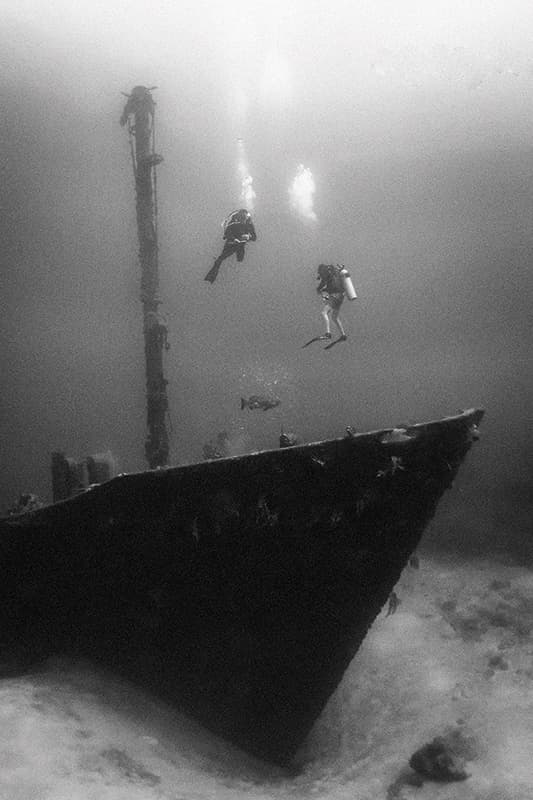
One of the Most Popular Dive Wrecks
off Roatan in a 200 foot Cargo Boat
El Águila ran aground near Utila, where it remained partially submerged for several years. Rocky Jones, an Utilian, salvaged the ship and towed it into the island’s harbor. A passing storm pushed the ship onto the reef, and Jones salvaged it again and sank it in the harbor so El Águila would not be vulnerable to future storms.
On nearby Roatan, dive industry professionals were searching for attractions for the island’s growing clientele of recreational scuba divers. In the late 1990s, the only dive wrecks accessible on the island’s north shore were two wooden-hulled vessels, which were quickly disintegrating. The AKR resort had been looking for a ship to convert into a wreck dive site, and El Águila proved to be the perfect opportunity.
About five weeks passed between the purchase of El Águila by AKR and the completion of a cleanup operation. Salvageable steel was removed from the boat, and many tons of now-hardened concrete were off loaded before the sinking operation.
Initially, all went as planned. “When we sank it, it started going down sideways but righted itself on the way down,” said Kevin Brewer, dive operations manager at Anthony’s Key Resort. El Águila sank to 110 feet in one piece.
This all changed in October 1998, when Hurricane Mitch battered the north shore of Roatan and strong currents broke the boat’s metal hull into three pieces, juxtaposed at 45-degree angles. “The wheelhouse fell over on its side, but the bow stayed upright,” said Brewer. With much of the salvageable metal removed, the hull was not able to withstand the unyielding currents created by the Category 5 hurricane.

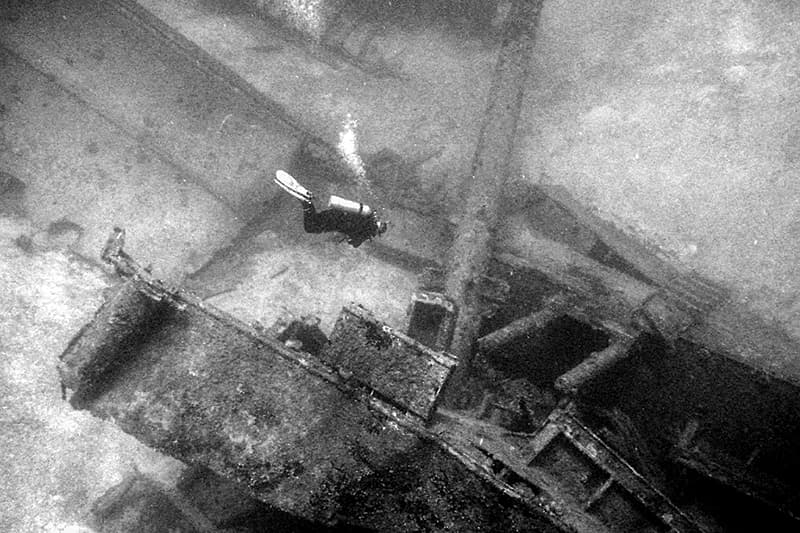
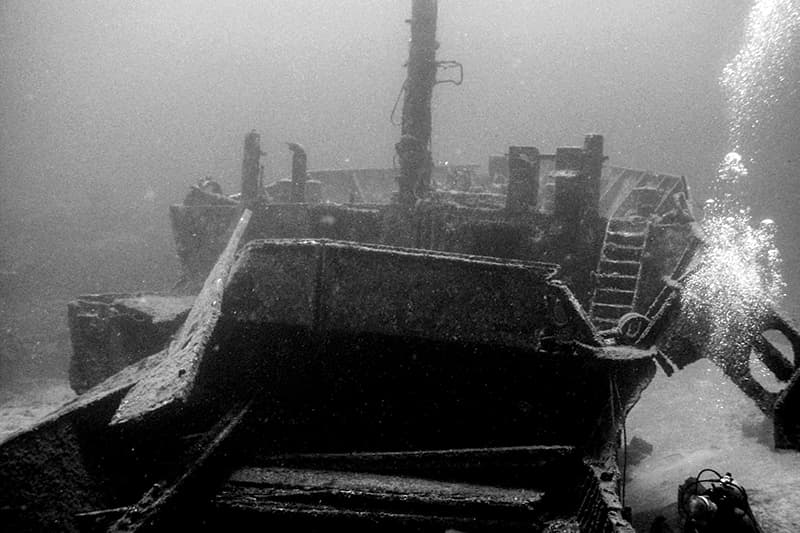
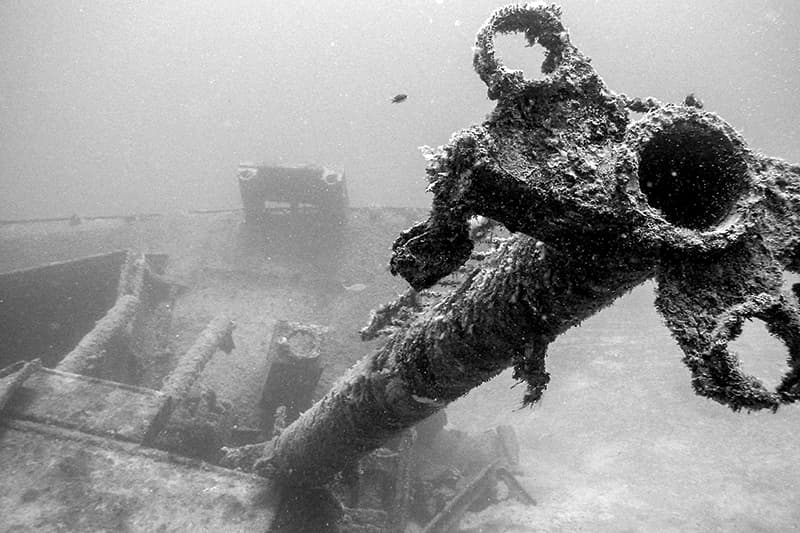
For the diving community, this change was actually a service, making the wreck more attractive for divers. The three pieces created swim-through opportunities, and crannies became an ideal space for experienced divers ready to investigate the submerged wreck.
Today, El Águila rests at 105 to 110 feet in the middle of an eel garden. The boat’s dual-deck metal hull is now covered in sponges and coral, creating a thriving habitat for groupers, parrot fish, moray eels and snappers. El Águila has been a part of Roatan history for the past 28 years.


